
How Commercial Movers Plan Office Transitions
A Well-Planned Office Move Keeps Your Business Running
Moving an office involves much more than transporting desks and computers.
Without proper planning, businesses risk downtime, lost productivity and frustrated employees.
Professional commercial movers follow a structured process that keeps operations running smoothly.
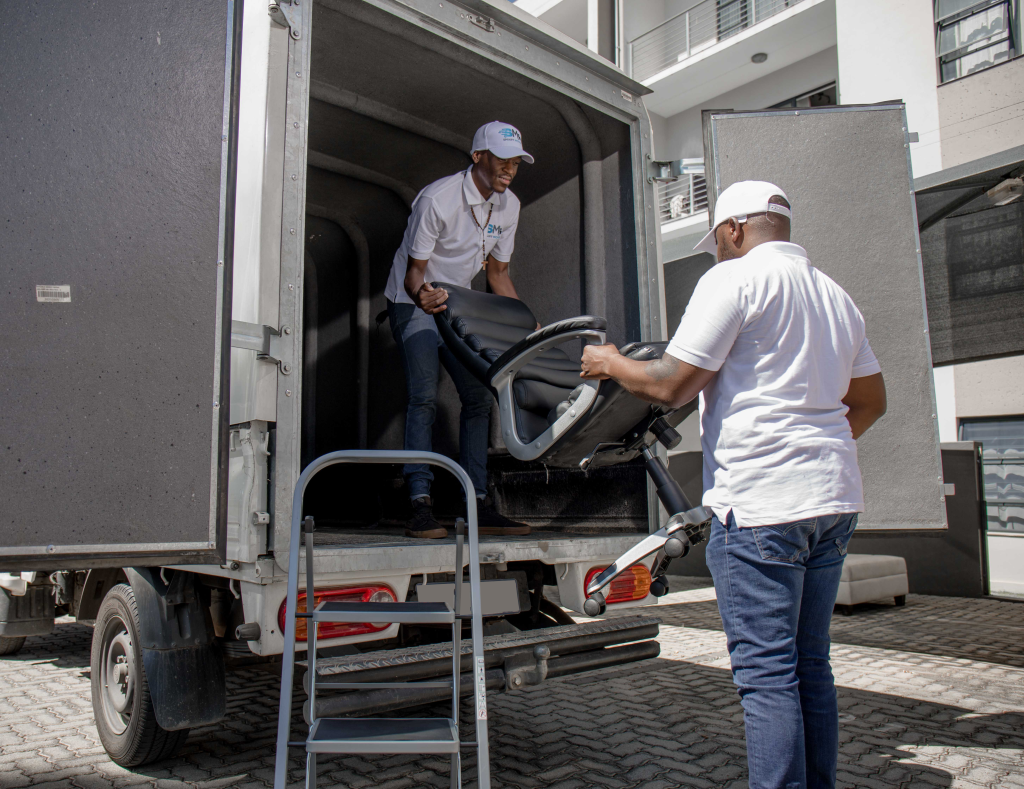
Step 1: Site Assessment
Before moving day, commercial movers inspect:
- Office layout
- Furniture
- IT equipment
- Access points
- Parking
- Elevator availability
- Elevator availability
This allows them to create an efficient moving strategy.
Step 2: Create a Moving Timeline
Every department receives a schedule outlining:
- Packing dates
- Equipment shutdown
- Moving day
- Reinstallation
Step 3: Label Everything
Professional movers use detailed labelling systems so every desk, chair, monitor and filing cabinet arrives exactly where it belongs.
This significantly reduces setup time.
Step 4: Protect Sensitive Equipment
Servers, computers and office electronics require specialised packing materials.
Commercial movers use protective wrapping and secure transport methods to reduce the risk of damage.
Step 5: Weekend or After-Hours Moves
Many businesses choose weekend or evening relocations to avoid interrupting normal business operations.
This allows staff to return to a fully functioning office.
Why Professional Commercial Movers Matter

Experienced office movers coordinate every detail to minimise downtime, protect valuable equipment and keep your business operating efficiently.
Final Thoughts
A successful office move is all about preparation.
Partnering with experienced commercial movers ensures your business can relocate with minimal disruption while protecting both your assets and productivity.